
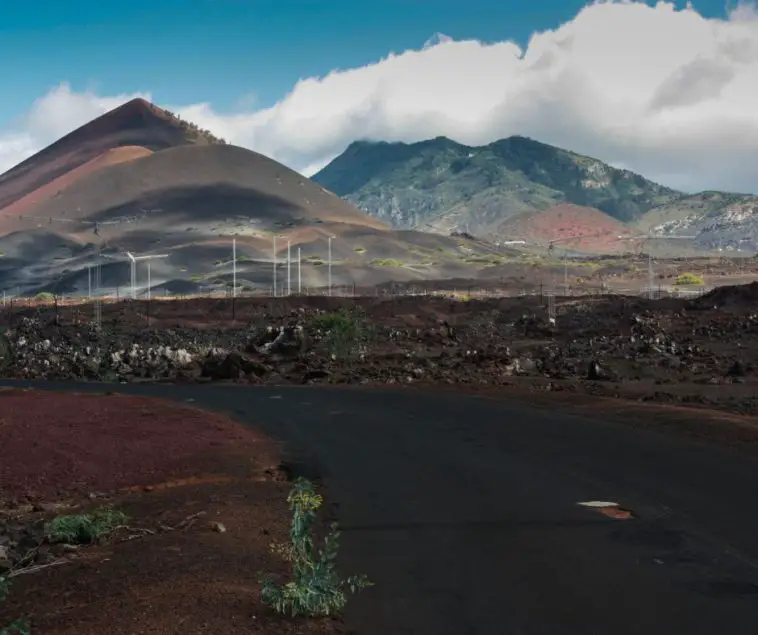
Ascension Island is an isolated volcanic island in the South Atlantic Ocean. However, its small size belies its historical importance, with a rich human history stretching back to 1501.
But there is more than meets the eye for this hidden gem in the ocean: a desolate destination waiting to be explored by the brave few willing to tackle its formidable environment.
From its surreal landscape and wildlife to unique cultural experiences and unforgettable diving spots, Ascension Island has a lot to offer those who make it their only stopover point in this corner of the globe.
Descend into new depths of nature or delve into its past; climb up peaks to see far-reaching views or explore secret crevices for hidden treasures – whatever you choose to do on Ascension Island, every moment will leave you with lasting memories.
Ascension Island Facts for Kids
- Ascension Island is a volcanic island in the South Atlantic Ocean.
- It is a territory of the United Kingdom.
- The island is home to many species of plants and animals, including many species found nowhere else on Earth.
- The highest point on the island is Green Mountain, at 2,817 feet (859 meters).
- The island is home to the US and UK military base, Wideawake Field.
- Ascension Island is an important stopover for migratory birds.
The Geography of the Island

Ascension Island is an unusual volcanic island situated in the South Atlantic Ocean. With a total area of around 34 sq mi, it is home to 44 distinct dormant craters. The remote location of the island is almost 2,300 kilometers from the Brazilian coast and 1,600 km from the African coast.
In addition to Tristan da Cunha and Saint Helena, these islands are British overseas territories.
The island has rich geology consisting mainly of broken lava stones, cinder cones, and lava flows, making it appear stark and barren. Ascension’s climate is best characterized as subtropical, with unpredictable rain showers occurring any time of year.
The average temperature ranges from 22°C (72°F) to 31°C (88°F). Moreover, its alkaline rocks, like basalt and rhyolite, make for an even more unique geological makeup for the island. Clearly, this little piece of land stands out!
The History
Joao da Nova, a Portuguese sailor, first discovered the island and named it Conception Island in 1501. Two years later, Alphonse d’Albuquerque rediscovered the island and gave it its current name.
Being dry and barren, the island was largely left uninhabited due to the lack of resources it could provide for passing ships. However, there have been reports of using Ascension Island as an open prison; most notably Leondert Hussenlosch, a Dutch ship’s officer who was exiled in 1725 as punishment for sodomy.
In 1815 Emperor Napoleon I was imprisoned on St Helena, prompting the British to station a small naval force on Ascension Island to deny it to the French. On October 22 of that same year, two Cruizer-class brig-sloops claimed the Island for King George III – this marks the beginning of the organized settlement on Ascension Island.
Apart from providing additional security against Napoleon’s escape attempts, the settlement aimed at stimulating economic activity by introducing guano mining operations and visiting merchant vessels. The islands became home to many people from outside, including African slaves and financiers who used this as an opportunity to invest in new businesses and projects.
By 1821, the island of Ascension had been developed into a sanatorium and a victualing station for ships involved in suppressing the West African slave trade.
The first submarine cable was installed from the island in 1899, connecting the UK with its colonies in South Africa as part of their efforts to combat the Boer War.
During World War II, the United States constructed an airfield on South West Plain, which is still in use today, that was used to support war efforts in North Africa.
Ascension Island also proved extremely valuable for Britain during the Falkland War in 1982 due to its strategic location in the South Atlantic.
In 2002, governance switched to democracy, and taxes were introduced for the first time, with executive power residing in a governor based out of St. Helena.
2009 brought the Constitution order that dissolved all dependencies on St. Helena that Ascension Island held previously without St. Helena’s involvement.
The Ecology of the Island

Joseph Hooker, a botanist, and explorer, who visited the island in 1843, encouraged the Royal Navy to implement a long-term strategy of shipping plants to Ascension with the assistance of Kew Gardens.
This idea received strong backing from Charles Darwin, who believed it could transform the deserted island into a garden.
As a result of these efforts, the Green Mountain on Ascension Island is one of the few large-scale planned forests that grow steadily over time. Endemic flora such as Asplenium ascensionis, Euphorbia origanoides, and Pteris adscensionis are among those that can be found growing wild on the island.
Anogramma ascensionis (Ascension Island parsley fern), once thought extinct, has been discovered and successfully cultivated in recent years.
Several mammal species have also been introduced, including donkeys, lambs, cats, and rats, alongside two lizard species unique to Ascension. In addition, endemic insect species such as the wingless Psocoptera and Giant Pseudoscorpion inhabit certain areas of the island.
Johngarthia lagostoma (formerly Gecarcinus lagostoma), a land crab, is the largest native land animal that can be found on Ascension Island. Offshore, a variety of open-ocean fish can be found, including tuna, wahoo, bonito, sharks, barracuda, blackfish, and marlin and sailfish.
During the months of November to May, the green turtle nests on the islands, making it one of the most prominent endemic animals.
Until 1930 there was regular harvesting of turtles until it was banned, which resulted in the population starting to recover by 1970.
In addition to the endemic, animal’s non-native birds can also be found, such as francolins, canaries, sparrows, mynas, and waxbills, as well as sooty terns which nest in large seashore lava “fairs.” Further petrels, boobies, and tropicbirds can be seen while white terns, brown noddys black noddys, and frigatebirds flourish too atop Ascension Island’s skies.
Recognizing the need for the protection of Ascension Island’s biodiversity due to its importance for future generations, The Island Council proposed The Ascension Island Marine Protected Area (MPA). Ultimately accepted on August 30, 2019, the MPA covers our entire Exclusive Economic Zone (EEZ) with its 445 000 square kilometer area making it one of the world’s largest marine MPAs.
The Economy of the Island
Ascension Island is a modern and prosperous place, driven by both military activities and the export of its own distinct cultural goods, such as distinctive stamps and coins – often issued to commemorate special occasions.
The island’s economy also revolves around long-line tuna fishing operations that are carefully monitored under ICCAT quotas. And with a branch of the Bank of St Helena in operation on-site, international money transfers couldn’t be simpler.
These financial successes exist subservient to Ascension Island’s well-being for its residents. Its unique currency – the Saint Helena pound – complements its industries, creating a strong microeconomic system that benefits everyone living on the island.
And since 1922, it has developed ever closer global relations through its exemplary postal service and excellent BBC News services, which span distant continents.
It’s these valuable connections that make Ascension Island an invaluable member of our world community – much more than just another dot on a map!
Things to do on the Island
Green Mountain is home to a treasure trove of wonders. Its national park is dense and vibrant, hosting some of the most diverse wildlife on Ascension Island. It’s where you can immerse yourself in the trees and catch a glimpse of land crabs darting about or witness the only seven endemic plants this tiny island has to offer.
But if you’re looking for something more refreshing, the beaches of English Bay and Comfortless Cove await with clean, inviting waters perfect for swimming or turtle watching, where nests are plentiful.
Or perhaps your tastes are a little more historical, in which case you’ll be filled with awe as soon as you arrive at the Heritage Museum, where walls laden with artifacts tell tales endlessly fascinating.
Finally, why not take an underwater plunge? Explore Ascension’s offshore jeweled sea in perfect crystal clear water year-round – perfect for diving or fishing enthusiasts alike!